

Share:
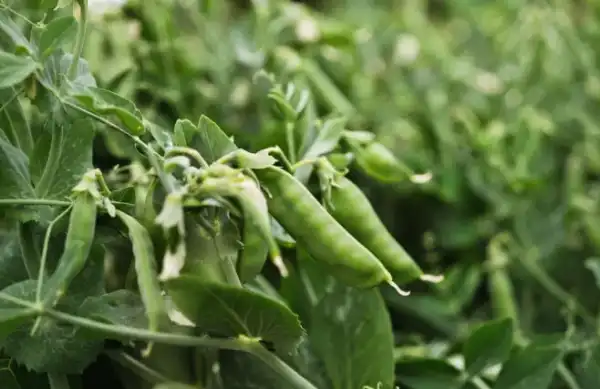
This spring, many farmers encountered a rare situation: winter pea crops were significantly thinned out after the winter. The harsh weather conditions of the 2025/26 season, especially in the northern regions, proved challenging for the crop — frosts reached minus 25 degrees Celsius, and in some places, the crops were left without adequate snow cover. It is the absence of snow combined with low temperatures that is a critical factor for winter peas. Modern varieties can withstand up to minus 15 degrees Celsius even without snow, but when the temperature drops below minus 20 degrees Celsius, the risk of freezing increases considerably. A snow “blanket” allows plants to survive stronger frosts without significant losses.
Restoring Crops After a Frosty Winter
However, it is not worth rushing to final decisions regarding reseeding. Winter peas have a unique ability to recover after frost damage. Even if the field appears sparse in the spring, the plants are capable of forming new shoots from live nodes. Due to their tendency to branch, winter peas can compensate for some losses by forming additional stems. Therefore, it is recommended to allow time for recovery and assess the crop density only after the emergence of new shoots, before deciding on reseeding.